


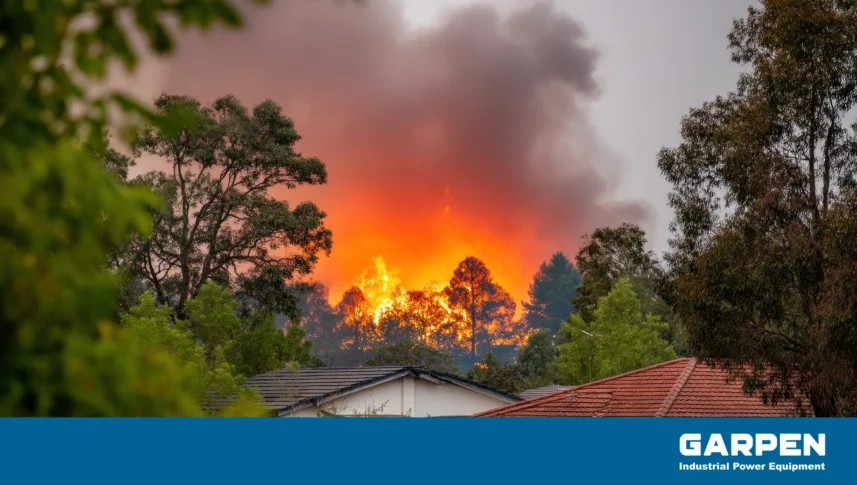
Having a suitable fire fighting pump is an important part of bushfire preparation for Australian farms and rural properties. Both petrol and diesel fire pumps have their advantages, but choosing the right option depends on your property’s size, water supply, operating requirements and budget.
Petrol Fire Fighting Pumps
Petrol fire pumps are lighter, more portable and less expensive than diesel alternatives. They’re well suited to smaller properties, mobile firefighting setups and situations where equipment needs to be moved between locations.
Petrol pumps are also a practical choice as a secondary or backup fire fighting pump, providing an additional water pumping option if the primary unit becomes unavailable. However, petrol’s higher volatility requires extra care during fuel handling and storage.
Diesel Fire Fighting Pumps
Diesel fire pumps are often preferred for primary firefighting setups on larger farms and rural properties. Additionally, diesel engines generally offer better fuel efficiency during extended operation, making them suitable for demanding applications.
Although diesel units are heavier and more expensive upfront, they offer an important fuel safety advantage. Diesel is less volatile than petrol, reducing the risk of accidental vapour ignition during fuel handling.
For farms that are already storing diesel for machinery and equipment, a diesel fire fighting pump can also simplify fuel management.
| Feature | Petrol Fire Pumps | Diesel Fire Pumps |
| Purchase Price | Cheaper | More Expensive |
| Portability | Lighter | Heavier |
| Fuel Efficiency | Lower | Higher |
| Fuel Safety | Higher ignition risk | Lower ignition risk |
| Recommended Use | Portable and as backup | Primary and extended use |
Please note that these are general comparisons and actual pump performance and operating expenses vary depending on the individual model.
Is Diesel Safer Than Petrol During a Fire?
Diesel has a significantly higher flash point than petrol, meaning it must reach a higher temperature before producing enough vapour to ignite under standard test conditions.
Petrol readily produces flammable vapours at normal temperatures, increasing the risk of accidental ignition. Diesel’s lower volatility makes it generally safer to handle and store from a fire-risk perspective.
However, diesel is still combustible, and neither pump type should be operated in unsafe bushfire conditions or exposed to intense radiant heat. Regardless of the pump used you should always follow fire safety best practices.
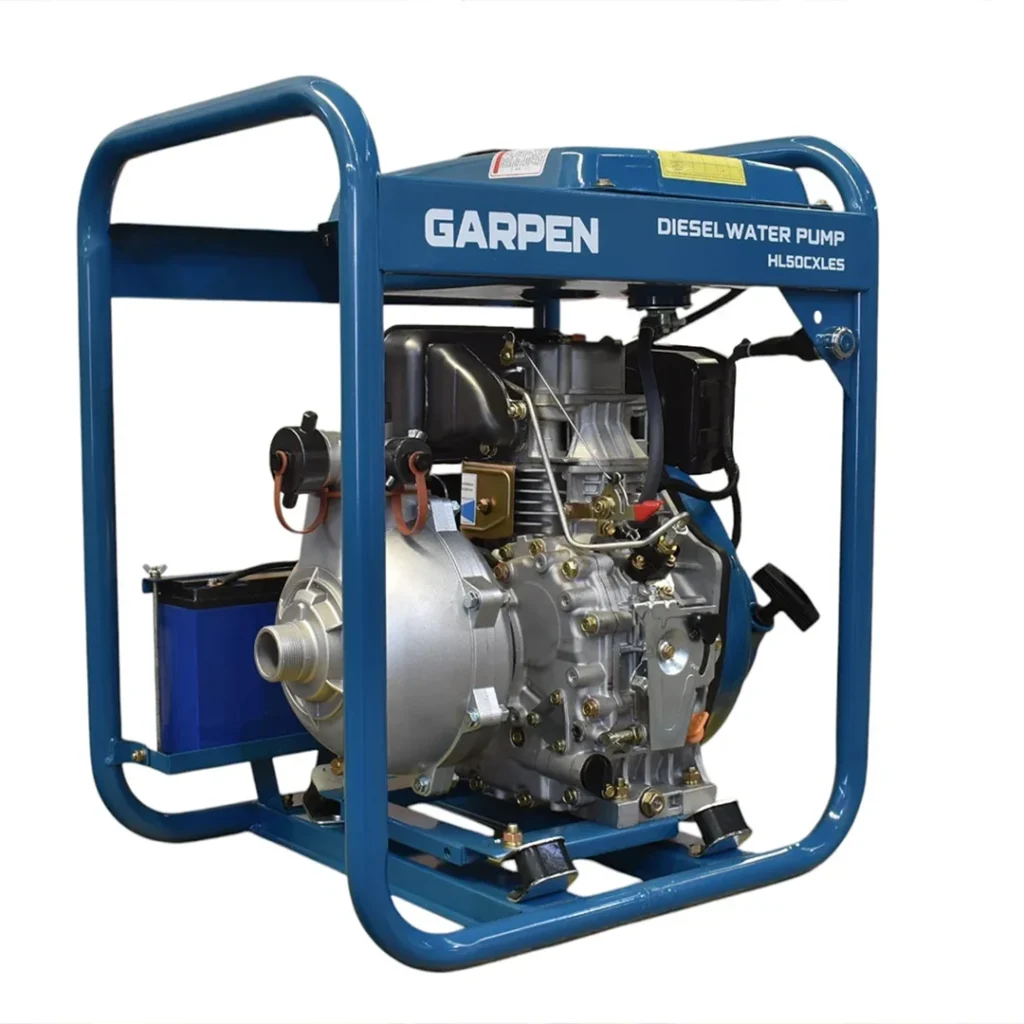
Which Fire Fighting Pump Should You Choose?
For larger rural properties requiring a primary firefighting water pump, diesel pumps are the recommended option thanks to their fuel efficiency and lower fuel volatility.
Petrol pumps offer a more affordable, portable alternative and are particularly useful as backup units or for smaller properties.
Importantly, engine type alone doesn’t determine firefighting performance. Consider the pump’s impellor, flow rate, water pressure, hose length, elevation and available water supply before making your purchase.
Preparing Your Fire Fighting Pump for Bushfire Season
Regardless of engine type, regular maintenance is essential to keeping your fire pump operational.
Before bushfire season, inspect the engine oil, fuel, hoses and fittings. Check that the pump primes correctly and test its water flow and pressure under realistic operating conditions.
If you have both primary and backup pumps, test each unit regularly.
Remember, firefighting equipment should form part of a broader bushfire preparedness plan and should never be relied upon as a reason to remain in dangerous conditions.
Always consult your state or territories fire safety agency for up-to-date alerts and information:
- Australian Capital Territory: ACT Emergency Services Agency
- Northern Territory: Bushfires NT
- New South Wales: NSW Rural Fire Service
- Queensland: Rural Fire Service Queensland
- South Australia: Country Fire Service
- Tasmania: Tasmania Fire Service
- Victoria: Country Fire Authority
- Western Australia: Department of Fire and Emergency Services